Thinking about simplifying your life with a condo or townhome in Acton? You are not alone. First-time buyers and downsizers are drawn to Acton for its commuter-rail access, Route 2 convenience, and lower-maintenance homes. In this guide, you will learn what you can buy, how HOA fees work, what to check in an association, and how different locations fit commuting to Cambridge, Boston, or MetroWest. Let’s dive in.
Acton condo market at a glance
As of Jan–Feb 2026, condos and townhomes in Acton typically sell from the low to mid $300,000s up to the mid or high $500,000s, depending on size, age, and amenities. The Massachusetts Association of REALTORS® shows a median condominium sale price near $422,500 and a median single-family price around $815,000, highlighting a clear price gap for attached homes. You can review the latest local snapshot in the MAR report for Acton to see current medians and days on market. The MAR January 2026 update also notes limited condo inventory, sometimes in the single digits, and a condo DOM example around 55 days.
Different trackers report different medians because of timing and sample size. Redfin has shown a citywide median around $500,000 in early 2026, and PropertyShark showed a Q3 2025 condo median near $425,000. With small numbers of monthly sales, short-term swings can look dramatic, so use ranges and look at several months of data.
What you can buy in Acton
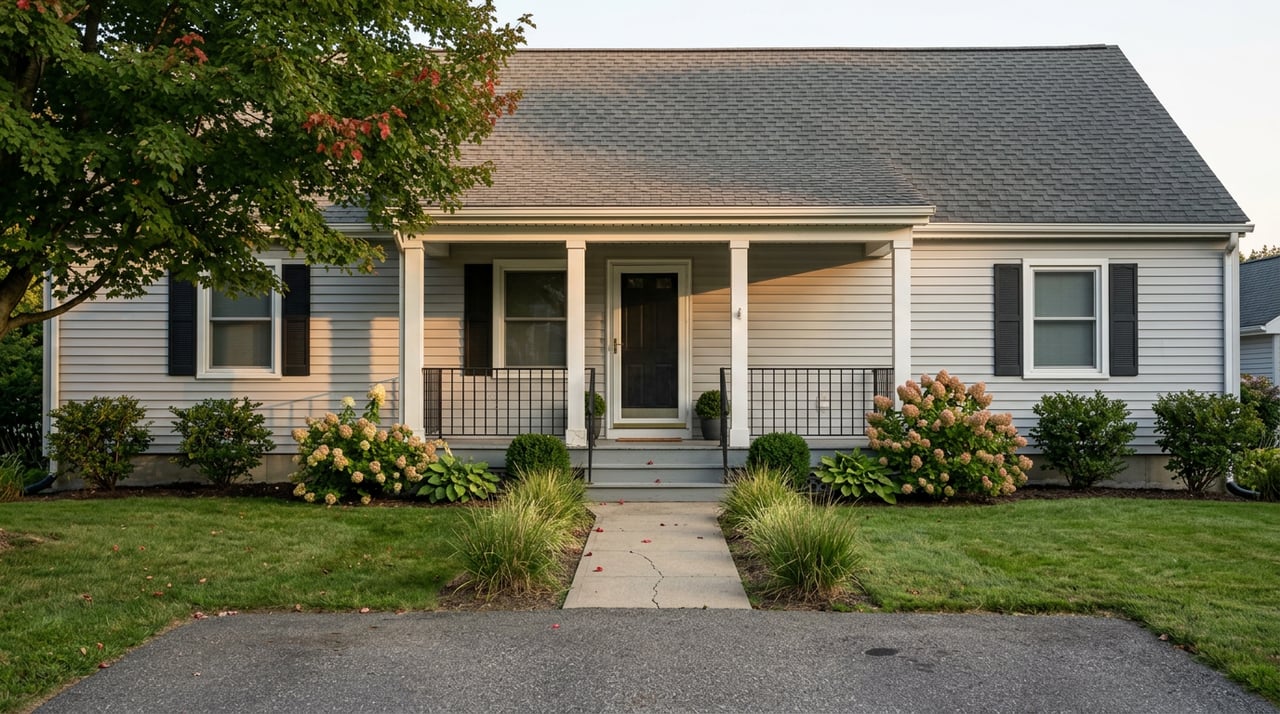
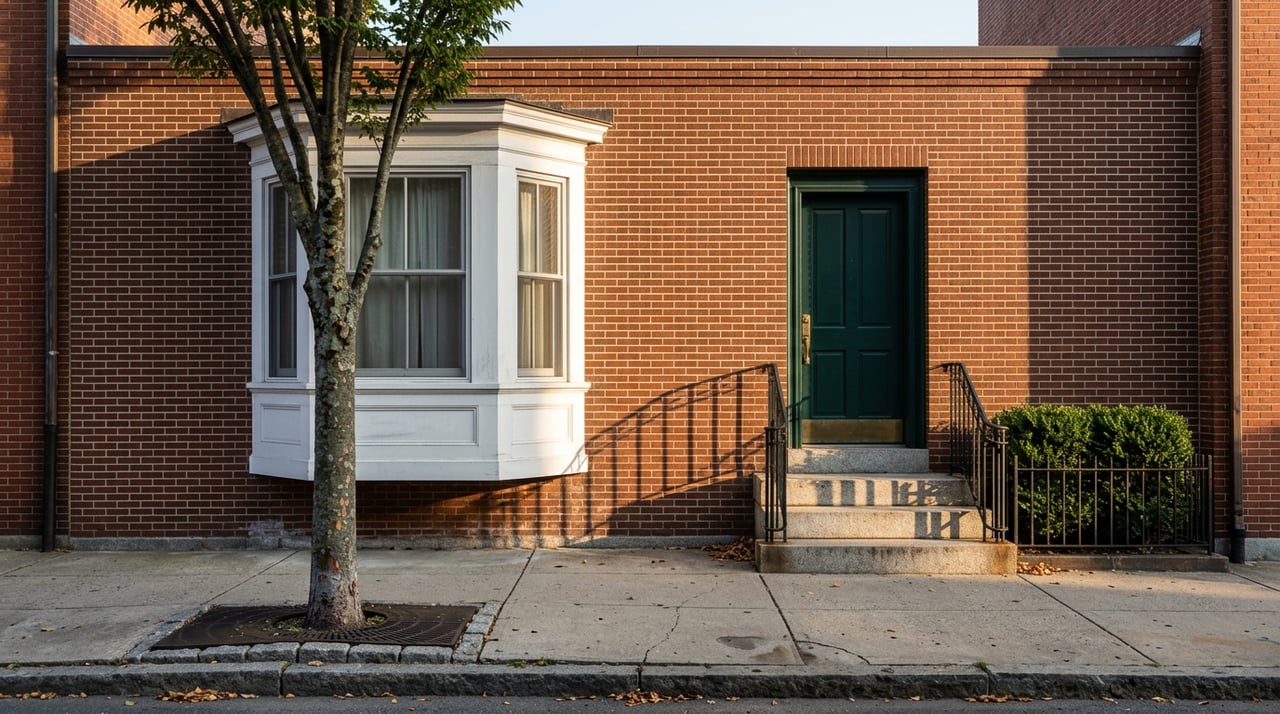
Acton’s attached-home mix includes garden-style condos, stacked flats, attached townhomes with garages, detached “condo” homes, and a healthy number of 55+ communities that appeal to downsizers. Here is how the main options compare.
Garden condos: best entry price
If you want the lowest price point and lighter monthly fees, garden-style or walk-up condos are worth a look. Typical features include 1–2 bedrooms, efficient layouts, on-site laundry, and outdoor common space. Many offer off-street parking rather than garages. In today’s market, you will often see 1–2 bed garden units starting in the low to mid $300,000s, rising with updates and size. These buildings usually have simpler amenities, which can keep monthly fees lower.
Townhomes: space and private entries
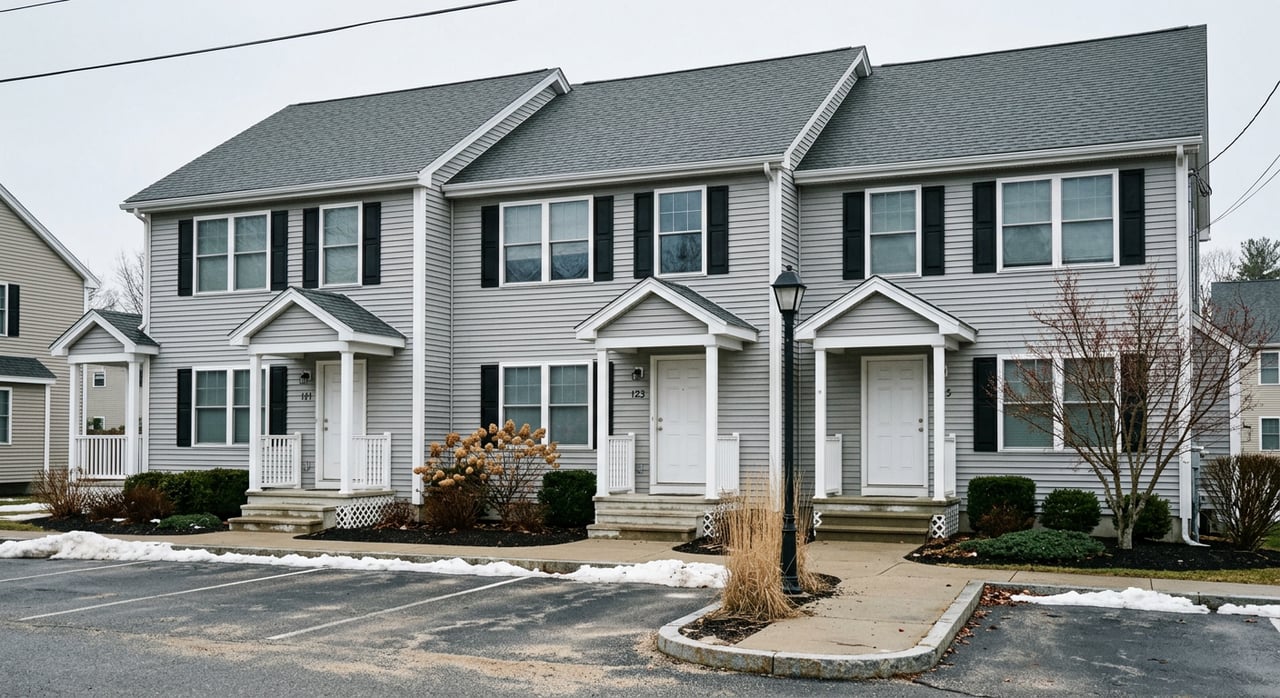
Townhomes in Acton add square footage, private entries, and often direct-access garages. Newer complexes may feature updated kitchens, open-plan living, and small patios or decks. Pricing for newer or larger townhomes commonly lands in the mid $500,000s and can trend higher depending on age, size, and finishes. Monthly fees are higher than many garden condos, but exterior maintenance and snow removal are typically covered, reducing your personal upkeep.
55+ and active-adult communities
For downsizers seeking low-maintenance living and community amenities, Acton’s 55+ options are a strong fit. Communities such as Ellsworth Village, Audubon Hill, and Quail Ridge have promoted features like garages, clubhouses, walking trails, and social programming. Expect pricing to range from the upper $400,000s into the $600,000s for larger or newer units with garages. Many buyers value the balance of private space and exterior upkeep included in the monthly fee. Always confirm rules on age restrictions and any limits on rentals or pets before you commit.
HOA fees and what they cover
Condo and HOA fees vary widely in Acton, and what those fees include can make a meaningful difference in your monthly budget. Nationally, the U.S. Census Bureau reports median HOA/condo fees near $120 to $135 per month for mortgage-holding households, but true condominium fees in amenity buildings are commonly higher. It is typical to see fees in the mid $200s to $400+ in New England, depending on services and utilities covered. For local context, recent Acton listings have shown examples around $123, $413, and $499 per month. You will want to verify exactly what your fee covers before you write an offer. For broader national context, review the Census Bureau’s HOA and condo fee summary.
Common line items in a condo fee include master insurance on the building exterior, contributions to reserves, snow removal, landscaping, exterior maintenance, shared utilities like water or heat, trash, elevator service, and clubhouse or pool upkeep. Higher fees often mean less DIY for you, which can be a smart trade if you value time savings. Lower fees usually mean you take on more of the maintenance or utilities yourself.
Financing and legal checks to protect your purchase
Before you fall in love with a unit, take ten minutes to think about financing and association health. Lenders review condominium projects, not just individual units. Some buildings are considered warrantable for Fannie Mae and Freddie Mac, while others are not.
- Project review basics: Many lenders use Fannie Mae’s project standards and may request a Condominium Project Questionnaire (Form 1076) to verify occupancy ratios, budgets, reserves, and insurance. You can read the Fannie Mae project standards overview and see Form 1076 to understand what lenders ask.
- Reserves and special assessments: Ask for the current budget, reserve balance, reserve study if available, and any notices about planned capital projects. Underfunded reserves or frequent special assessments can slow or block financing.
- FHA/VA eligibility: If you want a low down payment or are using VA benefits, check whether the building is eligible. Some projects may require additional reviews, which can affect your loan options and closing timeline.
- Massachusetts documents: At closing, sellers must provide a 6(d) certificate stating whether common expenses are unpaid under M.G.L. c.183A. You can review the state’s condo statute to understand association powers, lien rules, and owner obligations. See the Massachusetts General Laws Chapter 183A.
If your short list includes multiple condos, do a side-by-side of fees, what is covered, reserves, and project eligibility. The best unit for your budget often becomes clear when you compare the full monthly cost and the strength of the association.
Commute fit: MBTA rail and Route 2
Acton’s location works well if you split time between the city and the suburbs. Matching the right complex to your commute can save hours each week.
Best for rail commuters
South Acton is the town’s primary MBTA stop on the Fitchburg Line. The station features full high-level platforms and is in Zone 6, with a park-and-ride layout and connections to local shuttles. You can explore station details and nearby destinations on the MassByTrain South Acton page. Typical travel times to North Station run about 42 to 53 minutes depending on express versus local service, which is competitive with peak-hour driving. That time band comes from regional planning sources; see the CTPS travel time study for context.
Parking at South Acton is split between resident permits and daily spaces, with roughly 280 to 300 total spots referenced in public sources. Peak-time overflow can happen, so many buyers prefer units within walking or biking distance, especially with Assabet River Rail Trail access. You can cross-check parking and service basics on the South Acton station summary.
Best for Route 2 drivers
If you mainly drive to Cambridge, Newton, Burlington, or along Route 128, being closer to Route 2 can shorten your daily trip. Commute times vary by time of day and weather. Before you buy, test your door-to-door drive during your normal departure window. Townhomes with garages and easy highway access work well for year-round driving and snow season.
Best for downsizers
If you want minimal upkeep, one-level living options, or extra social programming, look at Acton’s 55+ communities. Many pair garages and first-floor primary suites with maintained grounds and walking paths. Confirm any age restrictions, pet rules, and resale policies that affect your future flexibility.
Your monthly budget, simplified
Build a full monthly number, not just principal and interest. A simple approach is to add up:
- Monthly mortgage payment (principal and interest)
- Property taxes
- Homeowner’s insurance
- HOA/condo fee
- Utilities not covered by the HOA (electric, gas, internet)
Tip: If the association includes heat, hot water, or water/sewer, your out-of-pocket utilities will be lower than a similar-fee building that does not cover those items. Date any mortgage rate assumptions you use and check with your lender to keep estimates current.
Quick buyer checklist for Acton condos
Use this section to move quickly and avoid surprises.
- Market snapshot (date the data): median condo price range, inventory note that monthly numbers can swing due to small sample size; cite MAR/Redfin as the data sources.
- Example comparables: show 2 current listings (one garden condo, one townhome/55+) with list price + HOA + a short amenity line—link to the listing (use MLS URLs at time of publication).
- HOA due diligence list: ask for current year budget, reserve balance & reserve study, last 12 months financials, current meeting minutes, any pending special assessments, insurance certificates (master policy), and the 6(d) certificate for MA closings. Cite Fannie Mae (project review) and MA law on the 6(d) certificate.
- Financing note: explain that some projects require additional lender/project review (Fannie Mae Form 1076 or FHA roster checks); link to Fannie Mae guidance and HUD condo search for FHA buyers.
- Transit & parking note: for rail commuters, state the typical South Acton → North Station travel time band (cite planning sources) and advise readers to confirm parking permit rules or walking/biking distance.
- Example monthly budget (blog should offer a simple calculator): monthly mortgage + property tax + homeowner’s insurance + HOA fee + utilities. Don’t hardcode mortgage rates—link to a mortgage calculator and show a worked example only if you date the inputs.
For a deeper dive on financing reviews, revisit the Fannie Mae project standards and Form 1076. For Massachusetts closing specifics, review Chapter 183A and confirm the 6(d) certificate with your attorney or closing team.
Short glossary for condo buyers
- Warrantable vs. non-warrantable: Warrantable projects meet Fannie Mae/Freddie Mac standards, which helps conventional loan approval. Non-warrantable projects may require larger down payments or portfolio loans.
- 6(d) certificate: A Massachusetts document provided at closing that states whether a unit has unpaid common expenses or liens under M.G.L. c.183A.
- Reserve study: An analysis that projects the timing and cost of major common-area repairs and sets recommended reserve contributions to fund them.
- Special assessment: A one-time or limited-duration charge to owners to pay for capital repairs or budget shortfalls not covered by routine fees.
Ready to see Acton condos and townhomes that fit your commute and budget? Get practical, phone-first help and a clear path from search to closing with Carl Cempe.
FAQs
What are typical Acton condo prices in 2026?
- As of Jan–Feb 2026, most Acton condo and townhome sales fall from the low to mid $300,000s up to the mid or high $500,000s, with a MAR-reported median near $422,500.
How long do Acton condos stay on market?
- Days on market can shift with small sample sizes; MAR showed an example around 55 days for condos in January 2026, and limited inventory can speed or slow activity quickly.
What do HOA fees usually include in Acton?
- Fees often cover exterior maintenance, snow removal, landscaping, master insurance, reserves, and sometimes heat, hot water, or water/sewer; always verify inclusions for a specific unit.
How do I check a building’s financing eligibility?
- Ask your lender about Fannie Mae warrantability and request the Condominium Project Questionnaire; some FHA or VA loans also require project approval or additional review.
What should I review in the condo association before I buy?
- Request the current budget, reserve balance, recent financials, any planned assessments, meeting minutes, master insurance certificate, and in MA confirm the 6(d) certificate at closing.
How long is the South Acton train ride to Boston?
- Typical travel times to North Station are about 42 to 53 minutes depending on local versus express service; check current schedules and parking or walking options before you buy.