Looking for a home where you can spread out a bit more? In Lancaster, extra space is not just a wish list item. It is part of what makes the town stand out. If you want more yard, more privacy, more storage, or simply a little breathing room, Lancaster gives you several ways to find it. Let’s dive in.
Why Lancaster appeals to space-seeking buyers
Lancaster is a small Worcester County town with 27.47 square miles of land and an estimated 2025 population of 9,161. That works out to a population density of 307.3 people per square mile, which helps explain why the town often feels more open than denser suburban markets.
That sense of space also shows up in how the land is used. Lancaster is heavily forested, with 60.5% of its land in forest, plus 8.5% in agriculture and 6.2% in open space. Town planning materials note that open land still dominates much of the landscape, which supports the appeal for buyers who want room around them.
Lancaster also has an 85.1% owner-occupancy rate and a median owner-occupied home value of $519,100. Taken together, those numbers point to an established owner-occupied market where many buyers are looking for long-term livability rather than a dense, rental-heavy setting.
What “extra space” can mean in Lancaster
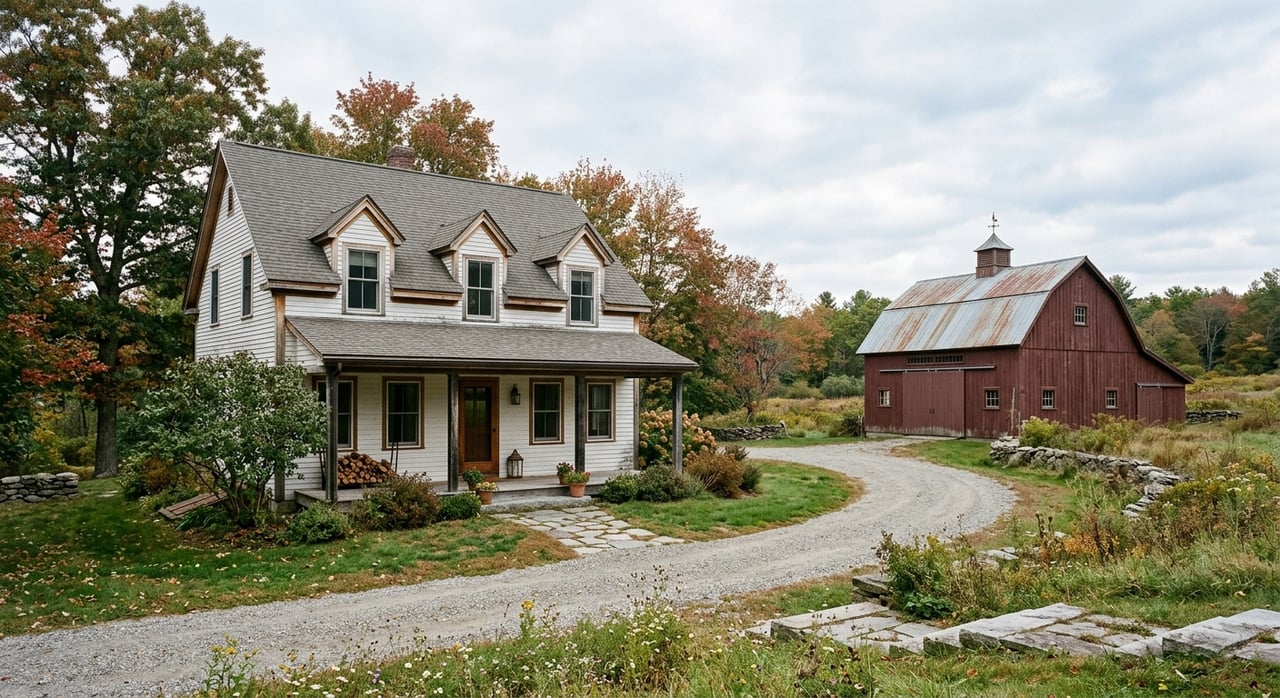
Extra space in Lancaster does not look the same on every property. For one buyer, it may mean a larger backyard near the center of town. For another, it may mean a more secluded lot with open land, trees, or room for outbuildings.
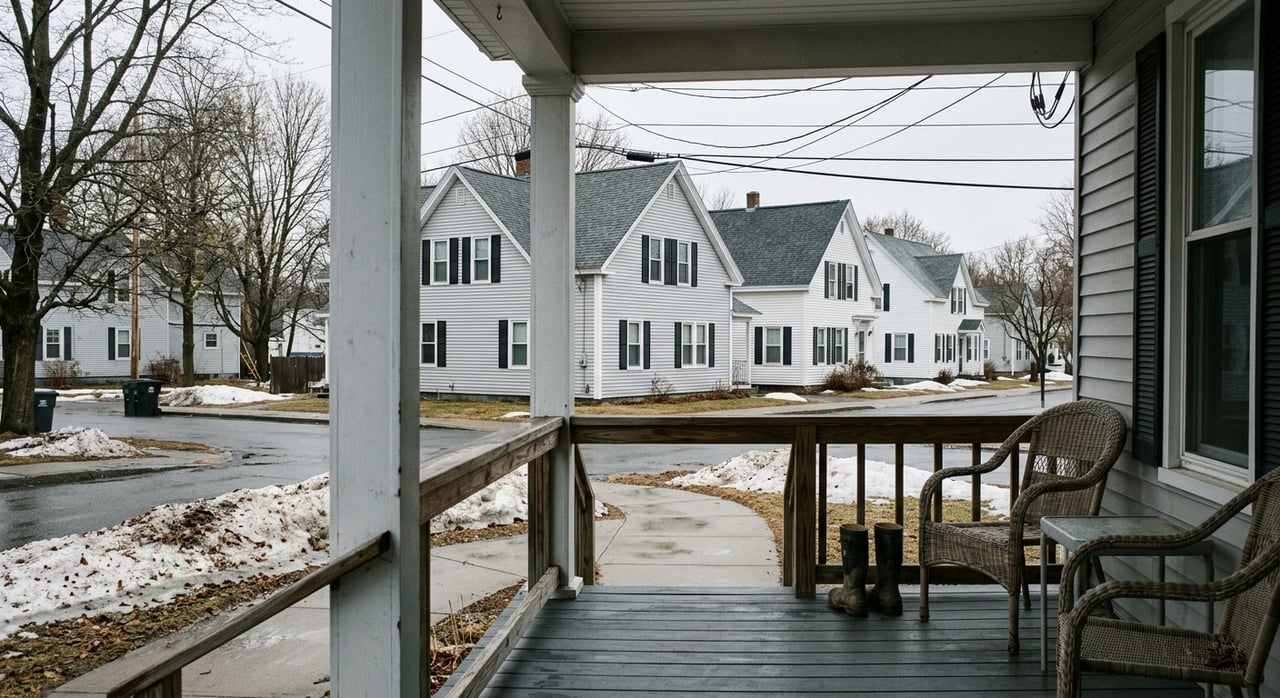
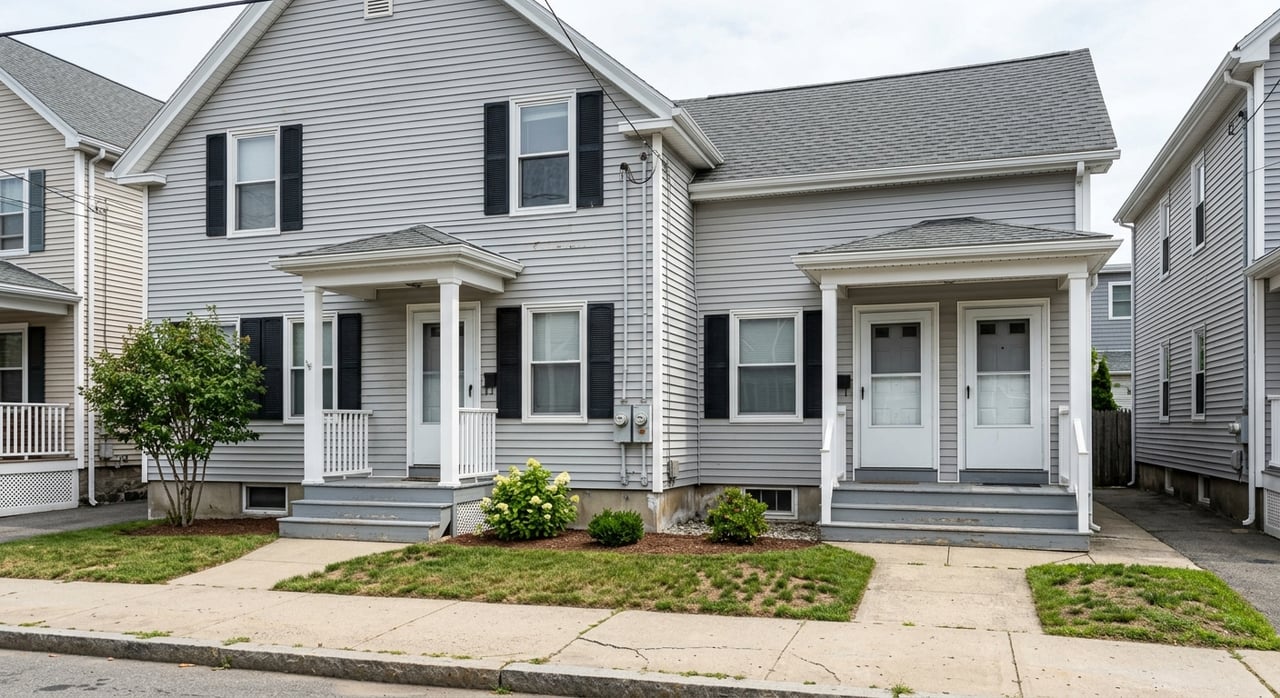
That flexibility matters because Lancaster is not defined by just one neighborhood type. Town housing materials describe a mix of medium-density neighborhoods, suburban development, and rural neighborhoods. In practical terms, you can find homes that feel more in-town as well as properties with a more tucked-away setting.
If you are comparing Worcester County towns, Lancaster can be a strong fit when your priority is not just the house itself, but the land and layout around it. A property here may offer room for hobbies, storage, outdoor use, or future planning in a way that is harder to find in tighter markets.
Lancaster housing stock favors larger homes
Lancaster’s housing stock is predominantly single-family, especially owner-occupied. That is helpful if your search centers on a traditional detached home with more usable indoor and outdoor space.
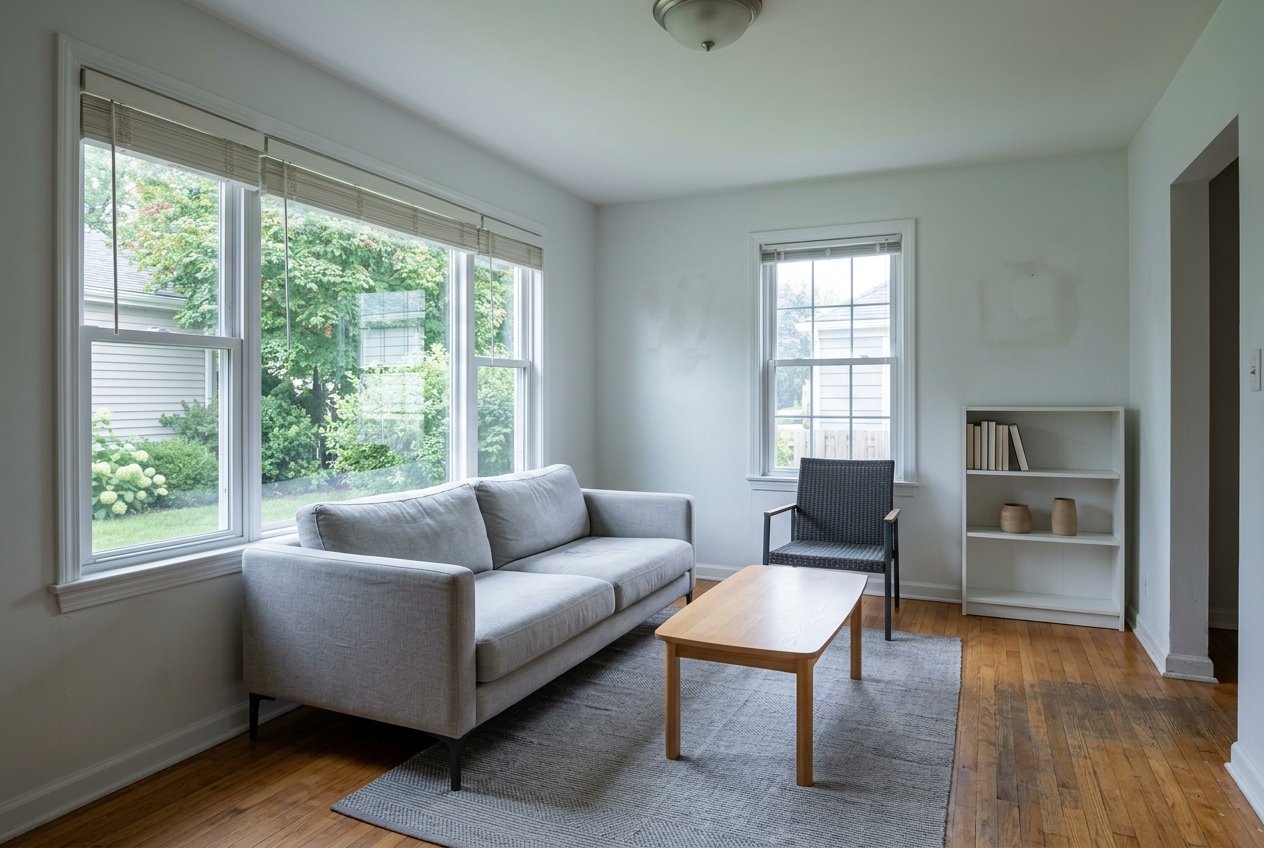
The town’s housing production plan says 71% of homes have at least three bedrooms. That does not guarantee a large lot or flexible floor plan on every listing, but it does suggest that Lancaster naturally offers more homes suited to households that want room for guests, work-from-home setups, storage, or everyday life that needs a little more square footage.
The housing mix also includes both older and newer homes. So, depending on what comes on the market, you may find anything from an older property with character and land to a newer home designed with more modern room layouts.
Large lots are part of the local pattern
One reason Lancaster stands out for buyers who want land is its zoning framework. In the Residential and Neighborhood Business districts, the minimum lot area is two acres, and the minimum lot frontage in all districts is 225 feet.
For buyers, that matters because it helps shape the town’s overall feel. Even when properties vary by location and layout, the zoning framework supports a more open pattern of development than you would see in many tighter suburban communities.
This does not mean every home will feel remote or rural. It does mean Lancaster’s land-use rules generally support a wider, more spacious setting, which is a major reason the town often attracts buyers looking for more than a standard neighborhood lot.
Outbuildings, storage, and workshop potential
If your idea of extra space includes more than just yard area, Lancaster may offer some practical advantages. The town’s zoning bylaw allows accessory structures in rear yards, subject to applicable size and setback rules.
That can be relevant if you are thinking about a shed, extra storage, or workshop space. Of course, any specific property needs to be evaluated on its own terms, but the local rules recognize accessory structures as part of the residential landscape.
For buyers who want space for tools, yard equipment, hobbies, or seasonal storage, this is an important detail. It adds another layer to the value of homes with land, especially when interior storage alone is not enough.
Home-based work and flexible use
Some buyers are not only looking for more space. They are looking for space that works harder. Lancaster allows home occupations or professional offices when they remain low-impact, owner-based, and subordinate to the residence.
That can matter if you want a home setup that supports remote work or a small home-based business. The key is that the use must remain secondary to the home itself, which helps preserve the residential character while still allowing practical flexibility.
For many buyers today, flexible space is just as important as bedroom count. A property with extra square footage, a separate room, or an accessory structure may open up useful options depending on the property and the local rules.
ADU options may add flexibility
Lancaster also allows accessory dwelling units as-of-right in single-family residential districts. The bylaw presents ADUs as a way to add housing without changing neighborhood character dramatically.
For buyers, that can create useful long-term options. An ADU may support aging in place, space for extended household needs, downsizing plans, or supplemental income goals.
Not every property will be equally suited for an ADU, and property-specific review still matters. Still, the fact that ADUs are allowed as-of-right in the appropriate district gives buyers another reason to look closely at homes with land and extra space in Lancaster.
Market conditions to keep in mind
Space is attractive, but availability matters too. Lancaster’s housing production plan reported a vacancy rate of only 2.4% in 2022 and characterized the market as tight.
That means buyers looking for homes with land may need to act with a clear plan when the right property comes up. In a market with limited availability, it helps to know which features are must-haves and which ones are nice extras.
A focused search can make a big difference here. If you know whether you care most about acreage, bedroom count, outbuilding potential, or future ADU flexibility, you can evaluate new listings faster and with more confidence.
Lancaster commuting realities
Lancaster offers space, but it is important to pair that benefit with a realistic view of daily travel. The town’s master plan says private vehicles dominate local mobility and that there are few feasible alternatives to driving alone, including public transportation, walking, biking, ride-sharing, or van pools.
Route 2, Route 70, and Route 117 are important parts of the local transportation system. The Census Bureau estimates the mean travel time to work in Lancaster at 31.7 minutes.
So if you are considering Lancaster, it is best to think of it as a drive-based commuter town. For many buyers, that tradeoff is worth it for the added space, but it is smart to weigh land and privacy against your day-to-day travel routine.
What to look for in Lancaster homes with land
When you tour homes in Lancaster, it helps to look beyond the listing photos and focus on how the space actually functions for you. A larger lot is valuable, but the layout and usability of that lot matter just as much.
Here are a few practical things to watch for:
- Lot shape and usable yard area
- Distance between neighboring homes
- Existing sheds, garages, or accessory structures
- Interior room count and flexible bonus space
- Potential for home office use
- Property layout that may support an ADU, where allowed
- Driveway access and everyday parking convenience
- Commute fit based on your regular routes
A home with land should support the way you actually live. The best match is not always the biggest parcel. Often, it is the property where the house, land, and future options line up with your priorities.
Why a local, practical approach helps
In a town like Lancaster, small property details can make a big difference. Two homes may have similar bedroom counts, but very different lot layouts, zoning implications, or flexibility for future use.
That is why buyers benefit from a practical, local-market approach. You want clear guidance on what is typical in Lancaster, how to compare one property to another, and how to move quickly when a strong fit hits the market.
If you are looking for Lancaster MA homes with land and extra space, working with a local agent who keeps the search grounded in real property details can save time and help you focus on the listings that truly match your goals.
If you want straightforward help finding the right fit in Lancaster or nearby Worcester County towns, reach out to Carl Cempe. You will get practical guidance, responsive communication, and local support focused on helping you buy with confidence.
FAQs
What types of homes with extra space are common in Lancaster, MA?
- Lancaster’s housing stock is predominantly single-family, and 71% of homes have at least three bedrooms, which often appeals to buyers looking for more room indoors and out.
How rural does Lancaster, MA feel for homebuyers?
- Lancaster includes a mix of medium-density neighborhoods, suburban development, and rural neighborhoods, with open land still dominating many parts of town.
Can you have a shed or workshop at a Lancaster home?
- Lancaster zoning allows accessory structures in rear yards, subject to applicable size and setback requirements.
Can you run a small business from home in Lancaster, MA?
- Lancaster allows home occupations or professional offices when they are low-impact, owner-based, and subordinate to the residence.
Are ADUs allowed at single-family homes in Lancaster?
- Yes. Lancaster allows accessory dwelling units as-of-right in single-family residential districts.
Is Lancaster, MA a good fit for commuters who want more land?
- Lancaster is best understood as a drive-based commuter town, with Route 2, Route 70, and Route 117 serving as key corridors and a mean travel time to work of 31.7 minutes.