Stand on the platform at South Acton station on a weekday morning and you'll see commuters loading bikes onto the same train that, thirty minutes later, pulls into North Leominster. Same line. Same railroad. Same one-seat ride to Boston's North Station. Ask a buyer why a house near one platform costs nearly $300,000 more than a comparable house near the other, and most will say the obvious thing: location. That answer isn't wrong, but it skips the parts that actually explain the gap, and those parts matter if you're deciding between the two towns.
Same Rails, Different Price Tags
In the three months ending June 2026, Acton's median sale price came in at $935,000, up 5.9 percent from the same period a year earlier. Homes there moved fast: a median of 18 days on market, roughly five competing offers per listing, and 96 sales closed in June alone, up from 89 the year before. Redfin scores the Acton market 91 out of 100 for competitiveness, which puts it near the top of anything in the region.
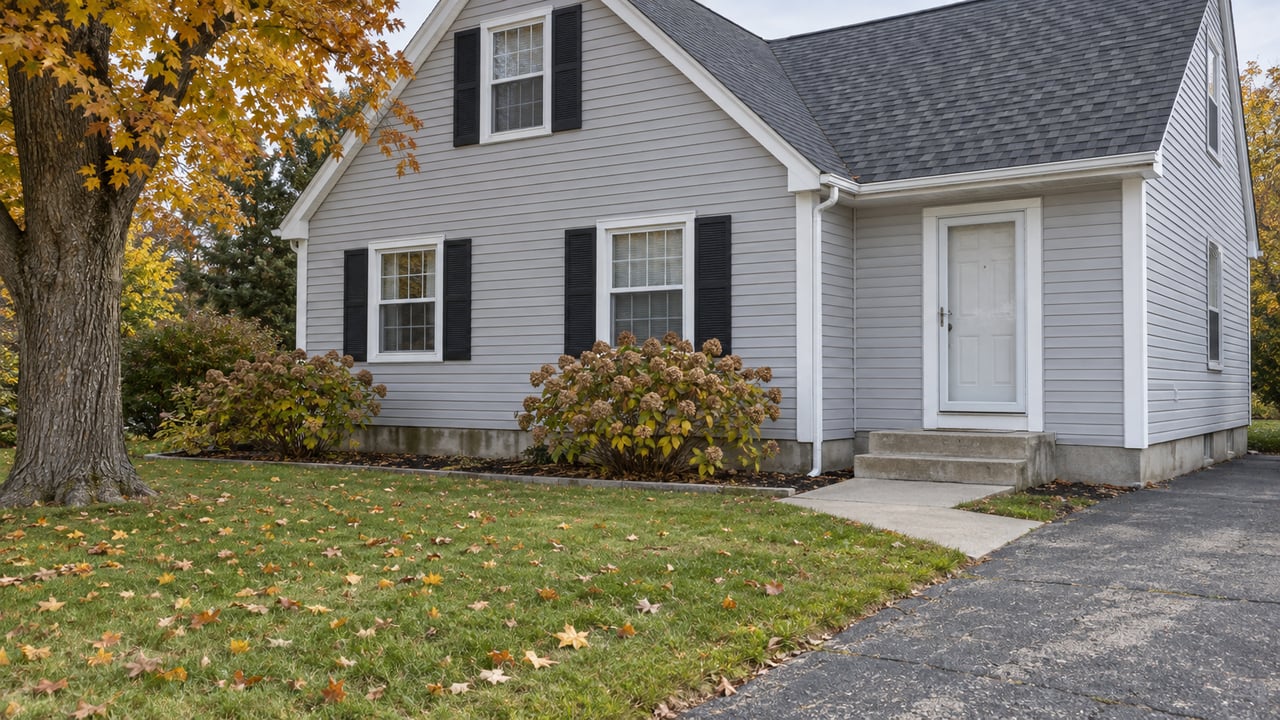
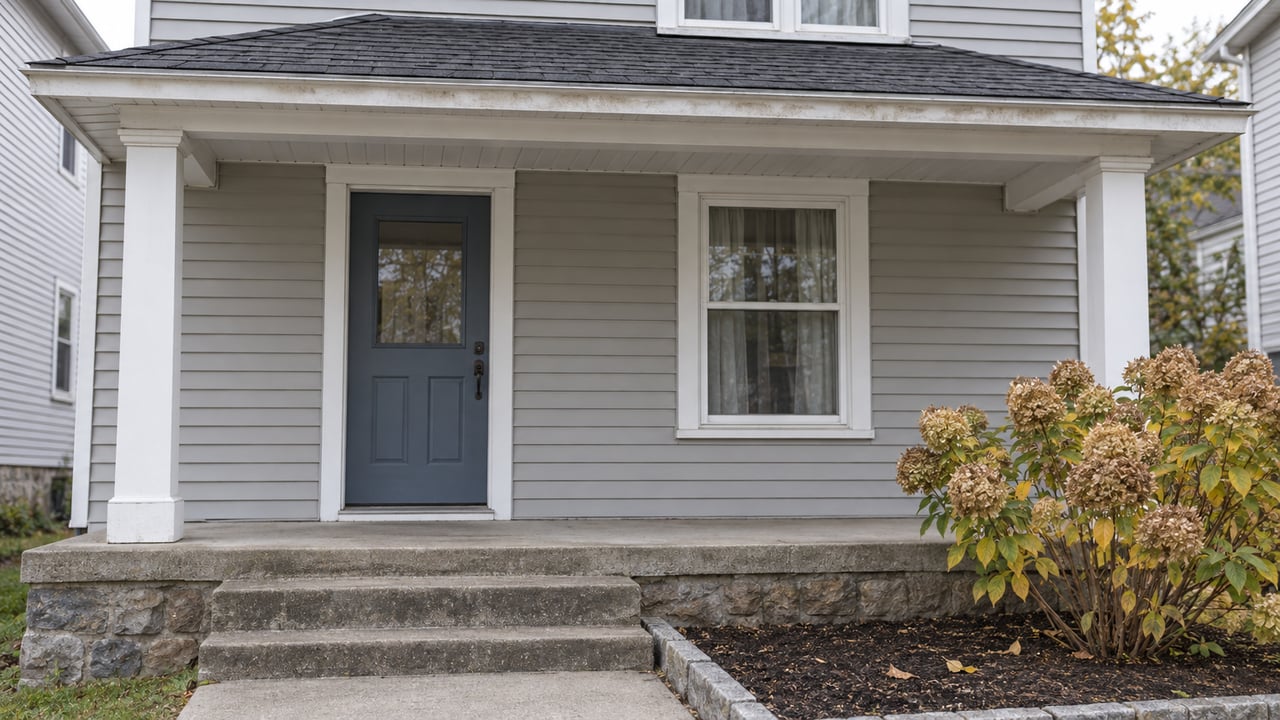
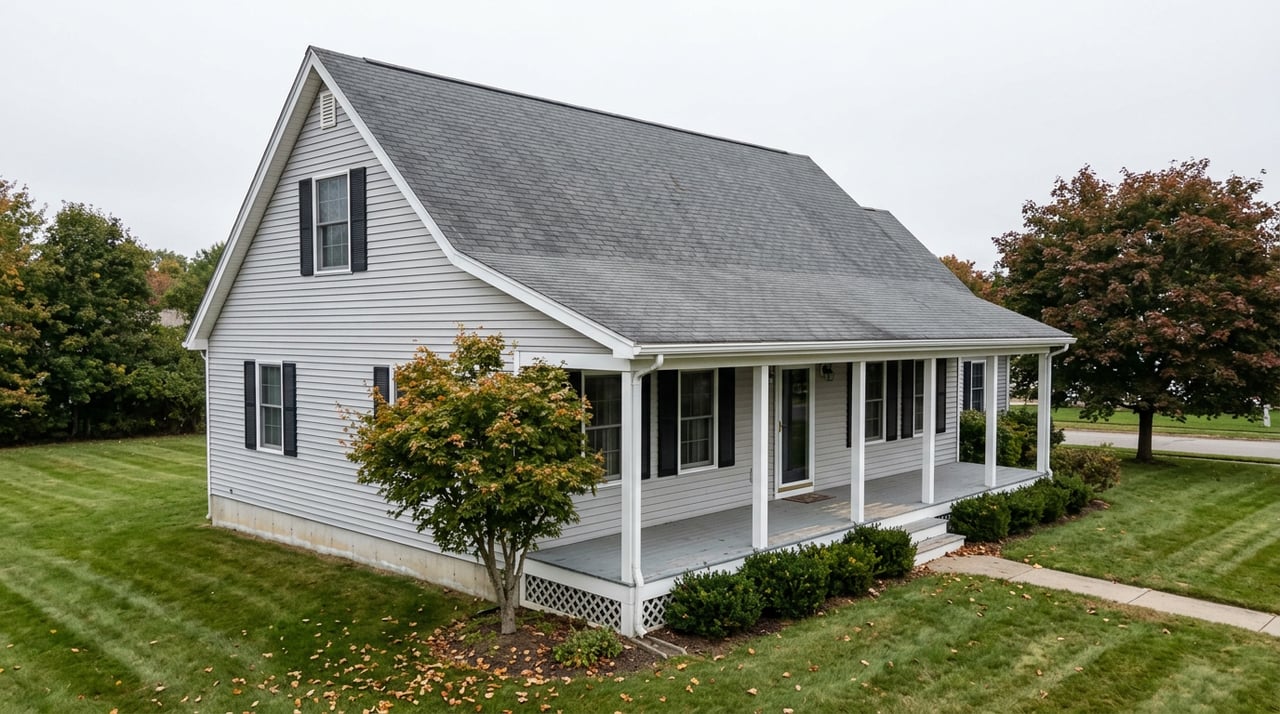
North Leominster tells a different story. NeighborhoodScout puts the neighborhood's median home value at $605,697. Walk through the listings and you'll find modest Capes and ranches priced from $300,000 to $500,000, Colonial Revival and New Traditional homes running $500,000 to $800,000, and townhouses in the $270,000 to $380,000 range. Both places sit on the MBTA's Fitchburg Line. Neither has a monopoly on train access. The prices aren't close.
Twenty Miles You Can See on a Map
Part of the answer is distance, and it's a plain one. South Acton sits about 20 miles west of Boston and Cambridge. North Leominster is roughly 50 miles from Boston and 20 miles north of Worcester. A longer rail commute means fewer daily round trips feel worth it, and that alone would explain some of the price spread. But distance doesn't explain all of it, because two towns with very different price tags can sit on the same rail line for reasons that have nothing to do with miles.
The Parking Lot Is the Real Gatekeeper
Here's a friction point that rarely makes it into a listing description. South Acton's commuter lot has 287 spaces, and it's owned by the town. Many of those spots are reserved for Acton residents, which means commuters driving in from other towns often struggle to find parking at all. If you want a guaranteed spot, the town runs a reserved parking program with monthly rates: $100 a month at Jones Field, $175 a month at 1 Maple Street, $175 a month at 19-21 Maple Street, each with a minimum three-month commitment.
North Leominster took the opposite approach. A three-story garage broke ground in March 2012, funded by a $7.7 million project backed by federal transit earmarks, and opened in 2014 to nearly triple the station's parking capacity to 436 spaces. That garage doesn't just serve Leominster residents. It absorbs park-and-ride commuters from as far away as Orange and Athol, towns with no rail service of their own. The station was built to be a regional funnel, not a neighborhood amenity.
That difference changes what you're actually buying. In Acton, walking or biking to the platform matters because driving in from outside town is genuinely difficult. In Leominster, the station works more like a highway on-ramp for a wide swath of north-central Massachusetts, which keeps commuter demand diffuse rather than concentrated on the houses closest to the tracks.
What the Towns Are Doing With the Land Around Each Station
South Acton isn't just old. It's actively being reshaped around its rail stop. The town's 2012 Comprehensive Community Plan named South Acton one of five key village centers where growth should concentrate, and the resulting South Acton Vision and Action Plan, led by the town with the Metropolitan Area Planning Council, is still working through zoning and design recommendations for the area. Town officials have discussed selling two municipal parcels near the station to make way for mixed-use housing and commercial space, a sale expected to bring in roughly $600,000. Meanwhile a mile away, the Kelley's Corner infrastructure project has spent more than two years reworking the intersection of Route 27 and Route 111 for pedestrians and cyclists. The Acton Exchange reported that Acton's Town Manager, John Mangiaratti, told residents at a recent community meeting that after all the disruption, "the last few weeks you can really see the vision taking shape." The area's history runs deep too: the Faulkner Homestead dates to 1707 and is the oldest home still standing in Acton, and Jones Tavern, a Revolutionary-era building, is listed on the National Register of Historic Places.
North Leominster's land use tells a plainer story. A cluster of warehouses sits on the neighborhood's west side, with the commuter rail tracks acting as the dividing line between that industrial zone and the residential streets beyond it. There's real green space nearby, including the 36-acre Prospect Park with its mile-long trail loop and the ballfields at Justin DeSantis Field, but there isn't the same walkable village core or active public investment plan drawing buyers to the blocks immediately around the platform.
The Tax Bill Tells a Smaller Part of the Story
Property taxes add a little more weight to Acton's side of the scale, though not much compared to the price gap itself. Acton's effective property tax rate runs about 1.72 percent of assessed value, well above the Massachusetts state median of 1.15 percent, which works out to a median annual bill near $12,753. Leominster's official fiscal 2026 tax rate is set at $13.66 per $1,000 of assessed value, and its effective rate lands closer to 1.40 percent, with a median annual bill around $5,634.
Heading into fiscal 2026, Acton's assessors reported that average single-family valuations had climbed about 7.8 percent year over year, and the Select Board opted to keep a single tax rate rather than shift more of the burden onto commercial property. That decision keeps the math simple for homeowners, but it also means rising valuations translate fairly directly into rising bills. Worth remembering here: the tax bill is calculated on assessed value, which typically lags behind what a home actually sells for in a competitive market. A buyer closing at $935,000 in Acton this year may see a tax bill built on a lower assessed figure until the next revaluation catches up.
So What Are You Actually Paying For?
Line up the numbers and the picture gets clearer. Some of Acton's premium is simply distance: 20 miles from Boston commutes easier than 50. Some of it is parking scarcity, which makes a house within walking distance of the platform far more valuable than one a mile away with no guaranteed spot. Some of it is the fact that South Acton is in the middle of a funded, multi-year push to make its village center more walkable and more mixed-use, while North Leominster's station was designed from the start to serve commuters from other towns, not to anchor a neighborhood.
None of that makes North Leominster a lesser option. A buyer who wants a shorter commute badly enough to pay for it should expect to pay for it. A buyer who's fine with a longer ride and wants more house for less money will find that North Leominster's rail access still gets them to Boston on the same railroad, just with a longer trip and a parking garage built for volume instead of proximity.
A Few Questions Worth Asking Before You Choose
Does the distance gap fully explain the price gap? No. Distance accounts for part of it, but the parking situation and the pace of public investment around each station account for real dollars too.
Is guaranteed parking available at either station? In Leominster, the expanded garage generally has room. In Acton, guaranteed parking means paying into the town's reserved program, and even then it's limited to specific lots.
Will property taxes make up the difference? Not by much. The tax gap between the two towns is real but small compared to the six-figure price difference in the homes themselves.
If you're weighing a move along the Fitchburg Line and want a straight answer about what a specific address near either station is actually worth, Homes by Cempe can walk you through comparable sales on both ends of that line. Call Carl today for fast, local real estate help.
This article is general information, not legal, tax or financial advice. Consult a qualified professional about your situation.