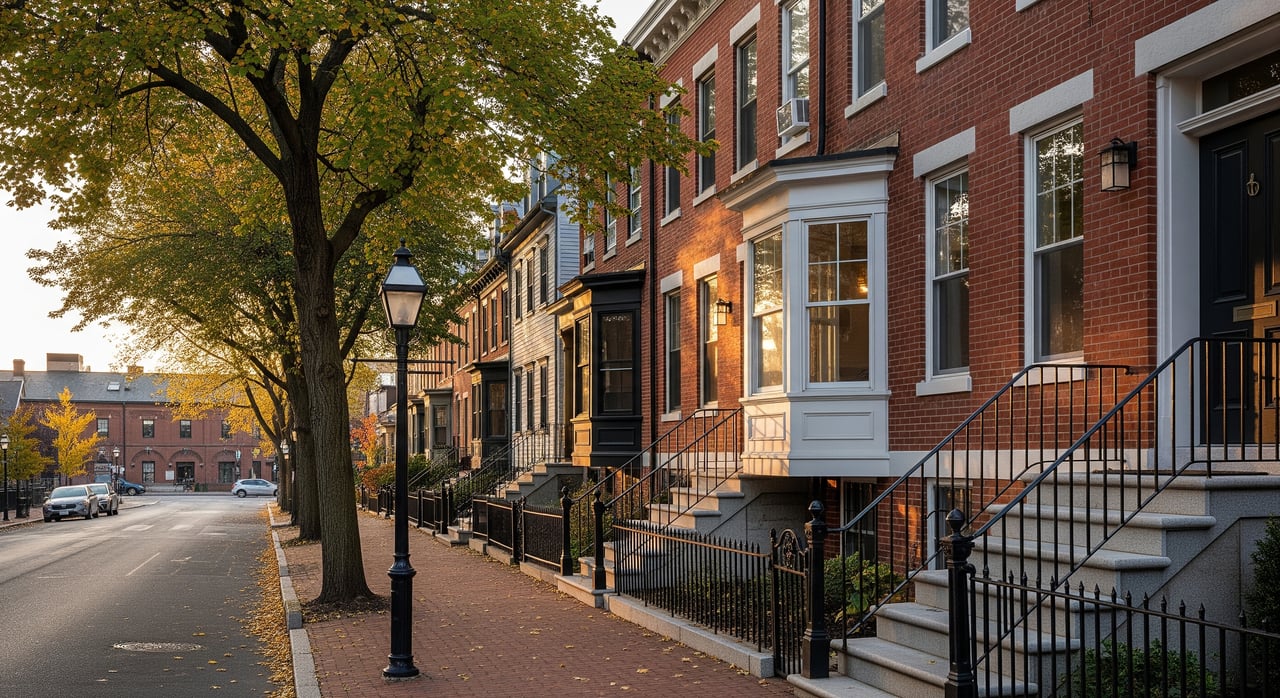
Buying your first home in Worcester can feel exciting and a little overwhelming. You want a place that fits your budget, matches your daily routine, and gives you a clear path to build equity. The good news is Worcester offers a mix of neighborhoods, housing types, and commute options that work well for first-time buyers. In this guide, you will get a practical overview of key areas, how they differ, and what steps to take next. Let’s dive in.
Why Worcester works for first-time buyers
Worcester is the second-largest city in Massachusetts, with about 206,500 residents. You get urban convenience with a range of housing styles, from historic homes to newer condos. Citywide values are often lower than many Greater Boston suburbs, with notable variation by neighborhood.
You also have solid transportation choices. The MBTA Worcester Line runs from Union Station to Boston, with scheduled trips that commonly take about 45 to 60 minutes. If you want details, check the MBTA Worcester Line schedule on the MBTA site. Local bus routes connect many neighborhoods to downtown and shopping areas.
For many first-time buyers, Worcester offers these key benefits:
- A variety of entry points across condos, small single-family homes, and multifamily options.
- Walkable pockets near downtown and Elm Park, plus more suburban settings on the west side.
- Access to higher education, healthcare employers, and commuter rail service.
Neighborhoods to explore
Each neighborhood listed here offers a different mix of price points, housing stock, and commute trade-offs. Boundaries vary by source, so use this as a starting point and confirm on the ground.
Downtown, Canal District, Union Station area
You will find condos, loft conversions, and newer mixed-use buildings here. Studio and 1-bedroom condos can be among the more affordable urban options, while larger lofts and new construction tend to land mid to upper range for Worcester. HOA fees can vary by building, so review budgets and rules closely.
If you plan to commute to Boston, living near Union Station simplifies your routine. Walkability is a strong draw, with restaurants, cultural venues, and hospitals nearby. Limited off-street parking on certain blocks is a common consideration.
Elm Park and Main Street corridor
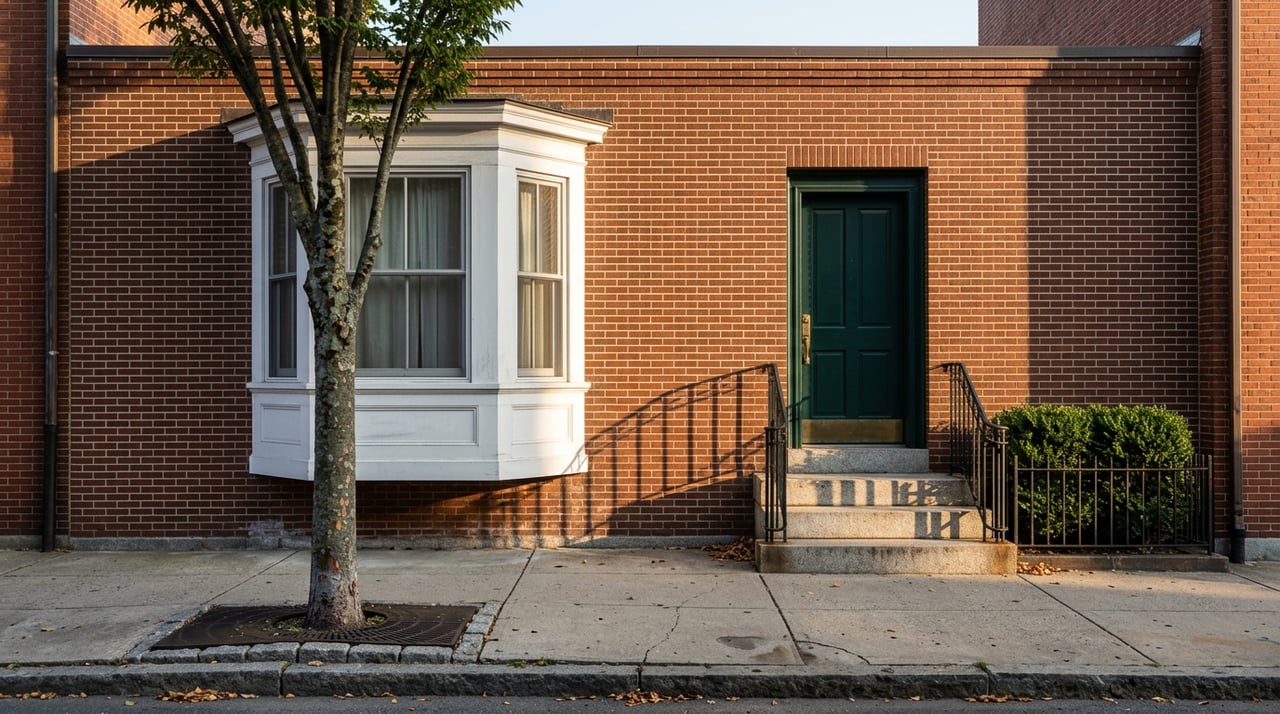
This area features turn-of-the-century Victorians, triple-deckers, and smaller condos. Buyers who like historic homes often focus here, but older properties can need updates. You gain easy access to Elm Park and short bus or car rides to downtown.
Parking and maintenance should be part of your planning. If you want a classic neighborhood feel and proximity to downtown, this corridor is worth a look.
Webster Square, Main South, Union Hill
These central neighborhoods include many two- and three-family homes along with smaller single-family properties. For first-time buyers, this is often a more affordable entry point. Owner-occupants sometimes choose a multifamily to help offset housing costs with rental income.
Property condition varies block to block, so inspections and due diligence are important. If you want proximity to downtown and potential value, add these areas to your short list and walk them at different times of day.
Tatnuck and West Worcester
West-side neighborhoods like Tatnuck Square and West Tatnuck offer a suburban feel within city limits. You will see mid-century ranches, colonials, and some newer infill. Prices are typically mid-range for Worcester, often higher than central neighborhoods but lower than many Boston suburbs.
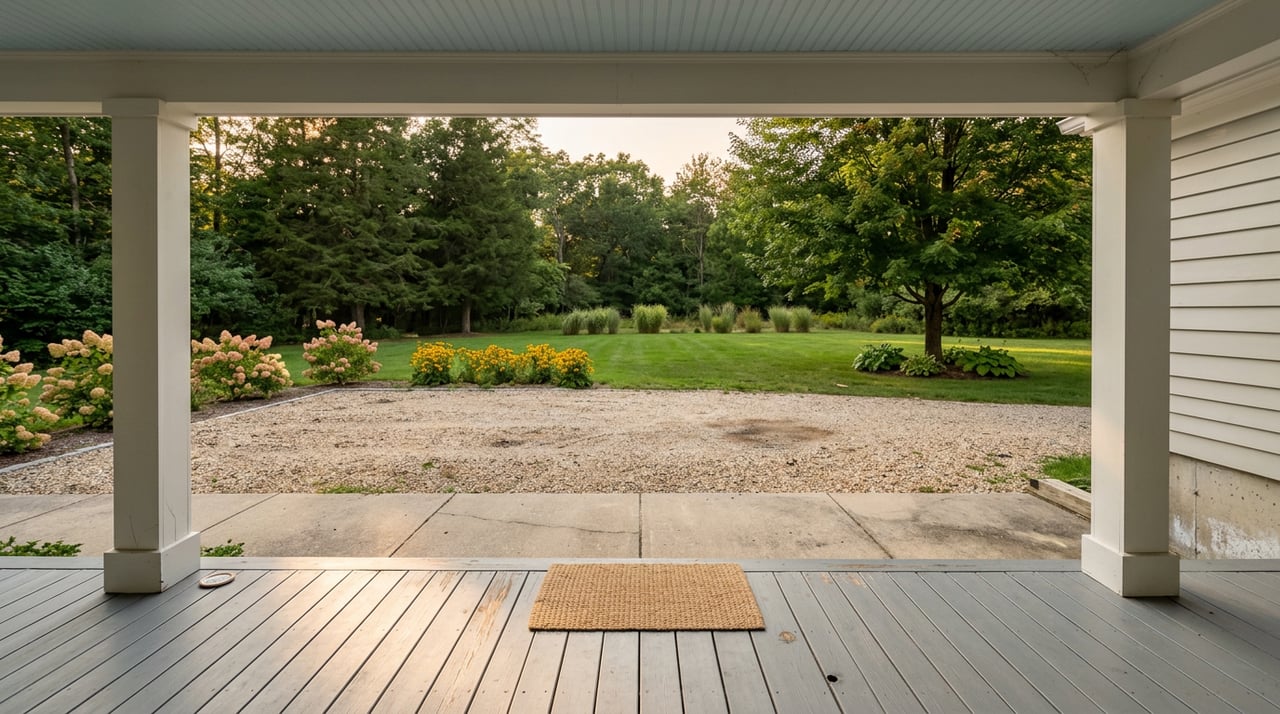
These areas work best if you plan to drive. You will trade walkability for more yard space and quieter streets. WRTA routes serve the area, but commuter rail access is not within a short walk.
Greendale and Vernon Hill
Here you will find suburban single-family homes, duplexes, and a mix of ranches and colonials. Pricing is similar to other west-side sections, with values that vary based on lot size and location.
Auto access to I-290 and the Mass Pike works for many commuters. If your priority is a single-family setting with reasonable highway access, consider these pockets.
Burncoat, West Tatnuck, Indian Lake corridor
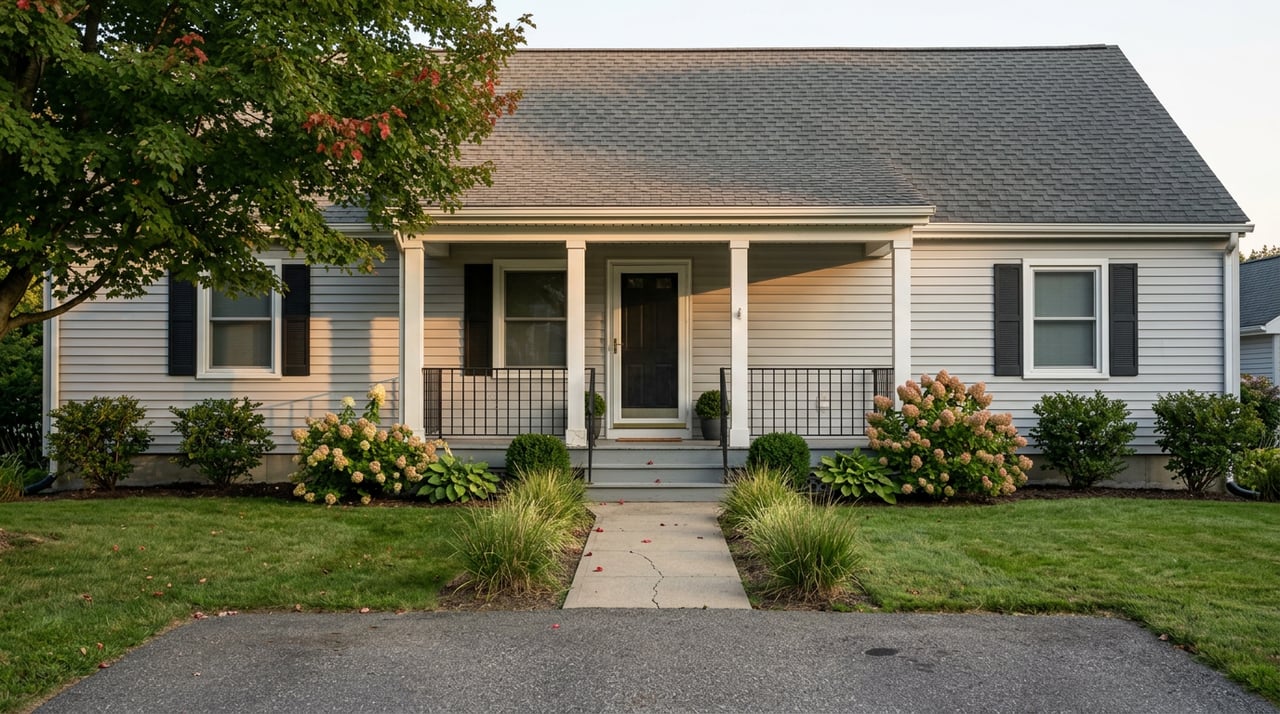
This corridor includes many 1950s to 1970s single-family homes, plus some newer edge-of-city subdivisions. For buyers who value a yard and a detached home, this can be a good fit at modest price levels for the city.
Expect car-oriented living and a 20 to 30 minute drive to downtown depending on exact location. Visit during different traffic periods to gauge your commute.
Grafton Hill, Vernon Hill, Wellington Street area
This east-side cluster features historic single-family homes, triple-deckers, and walkable streets near colleges and cultural amenities. Renovated condos and smaller single-family homes can command higher prices than some central neighborhoods.
It is a convenient base if you work near UMass Memorial or other institutions. Older homes are common, so plan for updates and careful inspections.
Commute and connectivity
- MBTA Commuter Rail: Union Station anchors Worcester’s service on the Worcester Line. Typical scheduled times to South Station are about 45 to 60 minutes, depending on the train. Review current schedules on the MBTA site for the Worcester Line.
- Driving and highways: I-290 runs through the city with a connector to I-190. The Mass Pike (I-90) is nearby, and drive time to Boston varies widely with traffic, often 45 to 75 minutes or more.
- Local transit: The Worcester Regional Transit Authority offers bus routes across the city. Frequency depends on the route, so check schedules before you plan daily transit.
- Walking and biking: Downtown, Elm Park, and parts of Grafton Hill tend to be more walkable. The city continues to invest in bike lanes and paths, though coverage varies by neighborhood.
First-time buyer steps in Worcester
Use this checklist to organize your search and move quickly when the right home appears:
Get preapproved and set a budget. Decide whether you prefer a conventional, FHA, VA, or other loan. Review down payment options, including state programs through MassHousing and the Massachusetts Housing Partnership. Both can support first-time buyers with financing and education resources.
Pick 2 to 3 target neighborhoods. Compare housing types, commute patterns, and typical HOA fees for condos. If you want an owner-occupied multifamily, study Worcester’s rental market, local bylaws, and inspection costs.
Visit at different times. Walk or drive your target blocks in the morning, afternoon, and evening. Notice traffic, parking, and noise.
Review local data. For school performance, consult the Massachusetts Department of Elementary and Secondary Education. For public safety information, review the Worcester Police Department reports and maps. For neutral neighborhood research, the Worcester Regional Research Bureau provides helpful context.
Plan for inspections and older systems. Worcester has a large stock of late 19th and early 20th century homes. Budget for general, pest, and any oil tank evaluations where relevant. If you are buying a condo, examine the HOA’s reserve studies, rules, and any rental restrictions.
Confirm taxes and insurance. Check current property tax rates and assessments with the City of Worcester. Ask your insurer about coverage and any flood zone questions for lower-lying blocks.
Align on your timeline. Typical closings in Massachusetts take several weeks after offer acceptance, depending on loan type and underwriting. Build in time for attorney review, appraisal, and contingencies.
What to expect financially
- Down payment: Many first-time buyers use 3 to 5 percent down for certain loan types, while others choose higher down payments to lower monthly costs. Review your options and monthly budget carefully.
- Closing costs: Plan for 2 to 4 percent of the purchase price for closing costs. This includes lender fees, title and recording, prorations, and other transaction expenses.
- Monthly costs: Include mortgage, taxes, homeowner’s insurance, and HOA dues where applicable. If you are considering a multifamily, model realistic rent and maintenance assumptions. For condos, review the building’s budget and long-term capital plans.
- Programs and education: In addition to state programs, the City of Worcester and regional nonprofits sometimes offer homebuyer education and targeted assistance. Start by checking City of Worcester resources and then confirm program requirements and availability.
Matching neighborhoods to your goals
- If you want walkability and transit: Focus on Downtown, the Canal District, Union Station area, and the Elm Park/Main Street corridor. Proximity to Union Station helps if you commute to Boston.
- If you prefer single-family living: Explore Tatnuck, West Worcester, Greendale, Burncoat, and the Indian Lake corridor. Expect more driving and larger lot options.
- If you are open to house hacking: Look at Webster Square, Main South, and Union Hill for duplexes and triple-deckers. Condition and management matter, so plan for inspections and realistic rental planning.
- If you want historic character near institutions: Consider Grafton Hill and Vernon Hill pockets near hospitals and colleges.
As always, compare current listings and recent sales to refine your plan. Prices and inventory shift over time, so staying close to the market is key.
Ready to look at homes?
You do not need to figure this out alone. A local agent can help you narrow neighborhoods, estimate total monthly costs, and move fast when a solid home hits the market. If you want a practical, no-drama path from search to closing, connect with Carl Cempe to get started.
FAQs
What is the typical Worcester-to-Boston rail commute?
- On the MBTA Worcester Line from Union Station, scheduled trips to South Station commonly run about 45 to 60 minutes depending on the train.
Which Worcester neighborhoods are more walkable for first-time buyers?
- Areas around Downtown, the Canal District, Union Station, and Elm Park tend to have stronger walkability, while outlying west-side neighborhoods are more car-dependent.
Are there programs to help with down payments in Worcester?
- Yes. MassHousing and the Massachusetts Housing Partnership may offer financing and education resources for first-time buyers; local programs may also be available through the City of Worcester.
Where can I check Worcester school performance data?
- Review school profiles from the Massachusetts Department of Elementary and Secondary Education for neutral, data-based information.
How can I evaluate safety and trends by neighborhood in Worcester?
- Consult the Worcester Police Department for public safety data and consider reports from the Worcester Regional Research Bureau for broader context.
What should I know about older Worcester homes and inspections?
- Many homes date to the late 19th and early 20th century, so plan for full inspections and potential updates, including pest checks and oil tank evaluations where relevant.