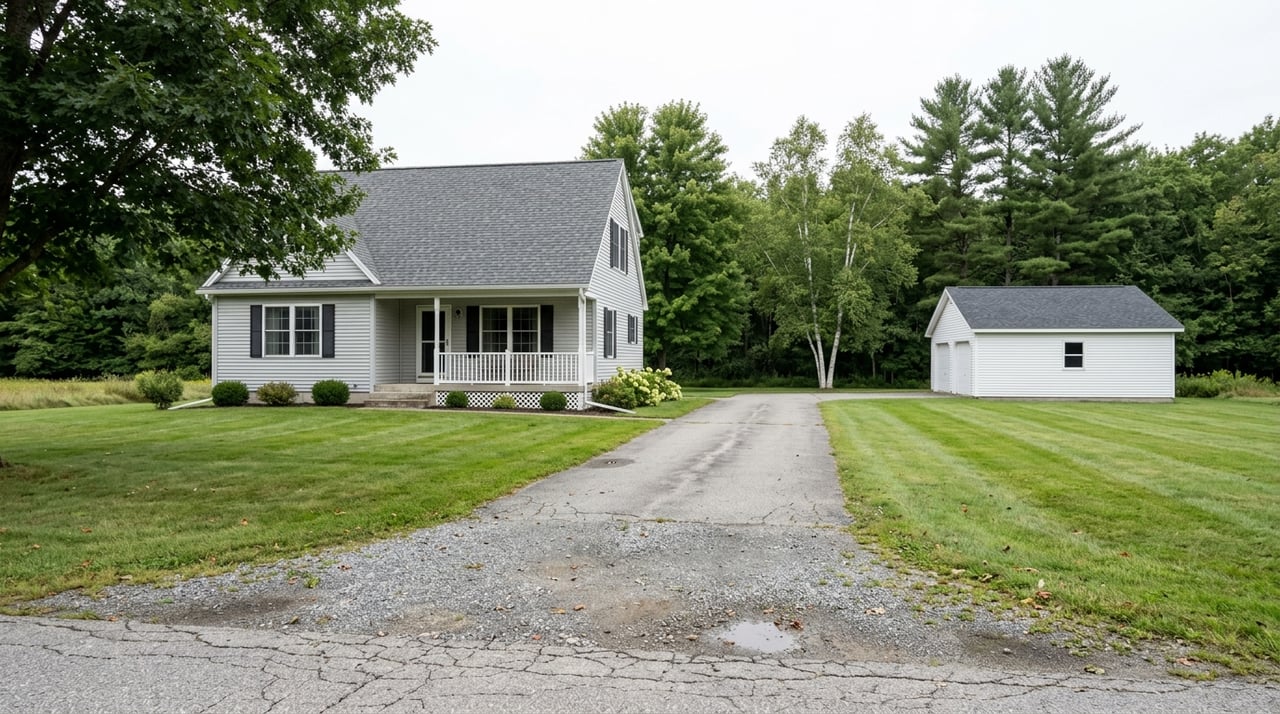
If you are house hunting in Lancaster, a big lot can look like a blank canvas. But in a town where space, frontage, wetlands, floodplain rules, and septic all matter, the number of acres on a listing is only part of the story. This guide walks you through the zoning basics that can shape what a property can actually support, so you can ask better questions and make more confident decisions. Let’s dive in.
Lancaster zoning at a glance
Lancaster’s zoning bylaw divides the town into several base districts, including R, NB, EZ/EZ-A, LI, LI2, and GI, along with overlay districts such as Floodplain, Water Resource, Solar, and North Lancaster Smart Growth. The official zoning and overlay maps are tied to Chapter 220 and kept on file with the Town Clerk, which means parcel-level map checks matter when you are evaluating a specific property. You can review the town’s zoning framework in Chapter 220.
For many homebuyers, the biggest takeaway is that Lancaster’s Residential district is intended to be low density. Detached single-family homes are permitted as of right in both R and NB, while two-family and multifamily uses are more limited and may require special permit review under the town’s use regulation schedule.
Overlay districts are also important because they add another layer of rules on top of the base district. A lot may appear straightforward on a tax map, but floodplain, water-resource, or wetlands restrictions can still affect what you can build or where you can place improvements.
Why acreage is not the whole picture
In Lancaster, lot size alone does not tell you whether a parcel will work for your plans. In the R and NB districts, the minimum lot area is 2 acres, and at least 90% of that requirement must be met without counting wetlands. The minimum frontage in all districts is 225 feet on a continuous portion of a way that the Planning Board considers to provide adequate access, according to the dimensional rules in the zoning bylaw.
That means a listing with 2 or 3 acres may still have meaningful limits. Wetlands, a road layout, or narrow access can reduce the usable area, even if the gross acreage sounds generous. In practical terms, you want to know how much of the site is actually usable for a home, driveway, septic system, and any accessory structures.
How to read Lancaster land listings
MLS descriptions often use simple phrases that can hide important details. If you are looking at land or homes with larger yards, it helps to slow down and decode the terms before assuming a lot is fully usable.
Watch the frontage details
A parcel can meet the acreage requirement and still fall short on frontage. In Lancaster, frontage is a core zoning standard, and it can affect whether a lot is buildable as a standard lot or whether additional approvals may be needed. Words like frontage and way are not filler in a listing. They are key clues.
Understand reduced frontage lots
Lancaster does allow reduced-frontage lots, but they are special cases, not the norm. To qualify, a lot needs Planning Board endorsement, at least 35 feet of frontage, at least 4.5 acres excluding the access strip, and enough shape and width to contain a 165-foot square under the town’s lot and frontage standards.
If a listing mentions reduced frontage, that usually means the lot should be reviewed more carefully. A narrow access strip may work, but it is not the same thing as a standard subdivision lot with broad road frontage.
Read “buildable lot” carefully
When you see terms like buildable lot, open land, or field, treat them as a starting point rather than a conclusion. You still want to confirm zoning, overlays, frontage, wetlands, and septic capacity. Lancaster’s local rules and conservation protections can change what a lot can realistically support, even if the listing language sounds promising.
What larger lots may allow
One reason buyers are drawn to Lancaster is flexibility. Larger lots can offer room for storage, hobbies, and outdoor uses, but it is still important to separate what is allowed as of right from what may require review.
Lancaster allows accessory buildings for noncommercial resident use in all districts, including garages, boathouses, storage sheds, and greenhouses. The zoning schedule also allows home occupations or professional offices by right if they stay within 300 square feet, while larger versions require special permit review under the use regulation schedule.
For buyers who want home office space, workshop storage, or extra outbuilding capacity, that can be useful. The key is to confirm that the lot and the proposed setup fit both zoning and any overlay restrictions.
Hobby farm and animal rules
Lancaster can also appeal to buyers looking for more land-based uses. The town’s zoning schedule allows agriculture, horticulture, floriculture, and viticulture in all districts when protected by state law. In the R district, up to six chickens are allowed on lots of at least 0.90 acre, while keeping poultry or livestock on parcels under five acres, or otherwise not exempted, requires a special permit, as shown in the zoning use schedule.
The town’s local framework also recognizes that farming activity can involve noise, odors, dust, and related operations. If you are buying with hobby-farm plans in mind, it is smart to confirm both the zoning path and the practical site conditions before moving forward.
ADUs in Lancaster
Accessory dwelling units are a major topic for buyers who want flexibility for guests, extended household use, or added living space. Massachusetts now allows ADUs by right statewide in single-family residential zoning districts, and the state has outlined that framework in its ADU guidance announcement.
Lancaster adopted a 2025 ADU bylaw to align with that framework. In Lancaster, protected-use ADUs are capped at 900 square feet or half of the principal dwelling, whichever is smaller. Only one ADU on a lot may qualify as a protected-use ADU, local ADUs may require Planning Board special permit review, and ADUs may not be used as short-term rentals.
If an ADU is part of your long-term plan, it is worth checking the local rules early. Size limits, septic capacity, and permit requirements can all affect whether your idea fits the property.
Wetlands and floodplain can change everything
Some of the biggest limits on a Lancaster property are not obvious from a listing photo. Lancaster’s local wetlands bylaw protects wetlands, 100-foot buffer zones, 200-foot riverfront areas, flood-prone lands, the Floodplain Overlay District, and a 25-foot no-build or no-alteration zone. The town states that this local bylaw is intended to be stricter than the state Wetlands Protection Act, as described in the wetlands bylaw provisions.
Lancaster’s Floodplain Overlay District includes Zone A and Zone AE special flood-hazard areas on the current Worcester County Flood Insurance Rate Map dated July 8, 2025. The town requires permits for development within the overlay district, including work such as sheds, storage facilities, drilling, mining, and paving under the floodplain overlay rules.
This is why a lot that looks wide open may still have a smaller practical building envelope. Wetlands, buffer zones, and floodplain restrictions can affect where you place a house, garage, shed, driveway, or septic system.
Septic is a key part of buildability
In a town where many properties rely on on-site systems, septic is one of the most important real-world checks. Massachusetts Title 5 governs septic systems, and MassDEP says buyers and sellers should have systems inspected when a home transfers. If a property is not connected to sewer, the state recommends requesting the inspection report, which you can review through the Massachusetts Title 5 regulations.
Lancaster’s ADU rules also require Title 5 compliance and, where relevant, Board of Health confirmation that water and sewage disposal will be adequate. So even if zoning appears to allow your intended use, septic capacity may still be the factor that determines what the property can support.
Questions to ask before you buy land or a large-lot home
If you are considering a property in Lancaster, these are some of the most useful questions to ask early:
- What is the base zoning district?
- Is the lot affected by any overlay districts?
- How much frontage does the lot have on an adequate way?
- How much of the acreage is outside wetlands?
- Is any part of the property in a floodplain or buffer zone?
- Is the lot a standard lot or a reduced-frontage lot?
- What does the septic situation look like, and is there a recent inspection or design information?
- Is your intended use allowed as of right, or would it need a special permit or other review?
These questions can help you move past the headline acreage and focus on the usable, legal, and practical side of the property.
Why local review matters in Lancaster
Lancaster offers the kind of space many buyers want, but the details matter. A property can be a strong fit for your goals if the zoning, lot layout, wetlands, floodplain status, and septic all line up. If they do not, a large lot may deliver less flexibility than you expect.
That is why practical due diligence matters so much in this market. If you want help reviewing Lancaster properties with a clear eye toward land use, layout, and next steps, reach out to Carl Cempe for straightforward local guidance.
FAQs
What zoning district matters most for residential buyers in Lancaster, MA?
- For many buyers, the key districts are R and NB, where detached single-family homes are permitted as of right, while other housing types may face more limits or need special permit review.
What does acreage really mean for a Lancaster, MA lot?
- Acreage is only the starting point because wetlands, frontage, access, floodplain rules, and septic needs can reduce the part of the lot that is actually usable.
What is a reduced-frontage lot in Lancaster, MA?
- A reduced-frontage lot is a special type of lot that can qualify with Planning Board endorsement if it meets specific frontage, acreage, and lot-shape standards rather than the normal frontage requirement.
Can you build an accessory dwelling unit in Lancaster, MA?
- Lancaster allows ADUs under current state and local rules, but size limits, septic compliance, and in some cases local permit review still matter.
Why do wetlands matter when buying land in Lancaster, MA?
- Wetlands matter because Lancaster’s bylaw protects wetlands, buffer zones, riverfront areas, and related areas, which can limit where you can build or place improvements.
Does floodplain zoning affect small projects on Lancaster, MA property?
- Yes, the Floodplain Overlay District can require permits for work that includes sheds, storage facilities, paving, and other types of development.
Why should buyers check septic early in Lancaster, MA?
- Septic capacity can affect whether a property can support your intended use, and Massachusetts Title 5 inspection and compliance rules are an important part of the review process.