Wondering if moving up in Sterling means paying more without getting enough in return? If you need more room, a bigger yard, or a quieter setting, that is usually the core question. The good news is that Sterling offers a clear value story for many move-up buyers. You can better understand what you are paying for, what tradeoffs come with it, and whether the town fits the way you want to live day to day. Let’s dive in.
Why move-up buyers look at Sterling
If your current home feels tight, Sterling often comes up for one simple reason: space. The town is known for a housing pattern centered on detached homes, larger lots, and a lower-density setting than many closer-in suburbs. For buyers who are ready for the next home, that can be a meaningful upgrade in daily comfort.
Sterling is a rural-residential community in central Massachusetts, about 12 miles north of Worcester and 41 miles west of Boston. Local planning documents emphasize preserving the town’s rural and scenic character, open space, agricultural land, water quality, and trail networks. That helps explain why the town feels different from denser nearby markets.
What you can expect from Sterling housing
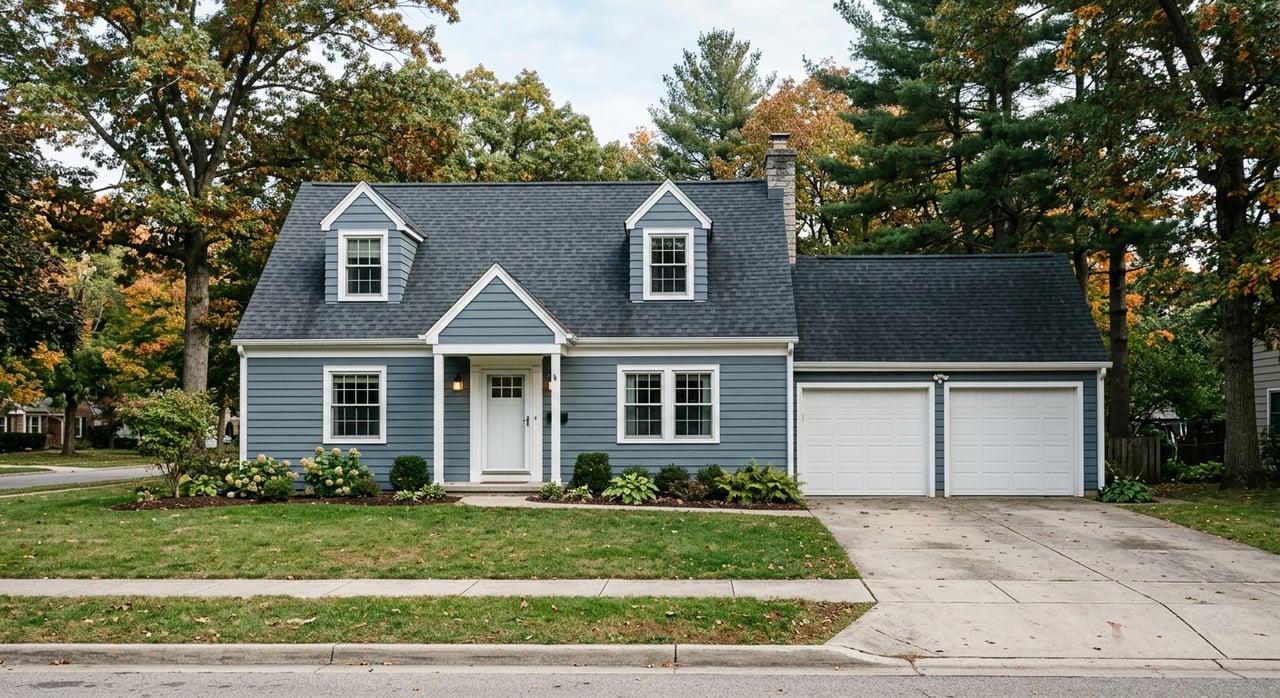
Sterling is heavily oriented toward owner-occupied single-family homes. According to the town’s 2026 Housing Production Plan, 83.5% of housing units are single-family homes and 87.8% of occupied units are owner-occupied. That matters if you are moving up from a condo, townhouse, or smaller house and want more privacy and more separation from neighbors.
The housing stock is also more balanced than some buyers expect. The same town plan says 41% of homes were built between 1970 and 1999, and 23% were built since 2000. In practical terms, that means Sterling is not only antique homes or older properties. You can find a mix of older village-center homes and newer homes built over the last few decades.
Why yards tend to be larger
Sterling’s zoning plays a big role in the feel of the town. Much of Sterling is in the Rural Residential district, where a new single-family lot requires 2 acres and 225 feet of frontage. That is one reason move-up buyers often find larger yards and a more spread-out layout here.
There is also a Neighborhood Residential district where single-family lots can be as small as 0.50 acres. Even in those more built-out areas, the pattern still centers on detached homes rather than dense multifamily development. If your goal is more outdoor space or more breathing room around the house, Sterling aligns well with that priority.
The real value tradeoff in Sterling
Sterling is not the lowest-cost option in the area, and it is important to go in with clear expectations. The town’s 2026 Housing Production Plan cites a 2025 median home value of $588,500. Realtor.com also reports a median listing home price of $595,000, with 20 active listings and a median of 75 days on market.
Compared with nearby markets, Sterling generally prices above Worcester, Leominster, and Lancaster. It tends to come in below places like Holden, Westborough, Shrewsbury, Northborough, and Westminster. So if you are comparing towns, Sterling’s appeal is less about bargain pricing and more about what you get for the money.
What you are often paying for
For many move-up buyers, the cost difference is tied to lifestyle and lot size. In Sterling, you are often paying for:
- More land
- More privacy
- Lower-density surroundings
- A housing stock dominated by single-family homes
- Strong access to outdoor amenities and open space
That can be a smart trade if your current home no longer fits your needs. If you are expecting the same price point as Worcester or Leominster with much more land and a more rural setting, though, Sterling may feel like a stretch.
Commute and access matter too
A bigger home and yard only work if your day-to-day routine still makes sense. Sterling’s location helps on that front, especially for buyers who commute toward Worcester or use the Route 2 corridor. Local planning materials identify I-190, Routes 12, 62, and 140 as the principal highways serving the town.
I-190 is especially important because town planning materials note that it reduces driving time to Worcester and Leominster while improving access to Route 2. If you want a quieter home base without giving up practical regional access, that is part of Sterling’s draw. It is not an urban, close-in commute town, but it stays connected in a workable way for many buyers.
Lifestyle benefits that matter after closing
Move-up buyers are not only shopping for square footage. You are usually looking for a better everyday experience. Sterling stands out here because its open-space planning and recreational access are real, visible parts of the town.
Town planning materials say nearly 34% of Sterling’s land is protected from development. The town also highlights trails such as Butterick Nature Trail, Heywood Nature Trail, Sterling Rail Trail, Waushacum Trail, and Pine Hill Esker Trail. That level of preserved land helps support the town’s rural feel and gives residents more ways to enjoy the area.
Outdoor access is part of the appeal
Sterling also benefits from nearby recreation beyond town trails. State information for the Wachusett Reservoir lists walking, running, fishing, cross-country skiing, and snowshoeing as permitted activities, with use regulated to protect drinking water. Town planning materials also point to East Lake Waushacum, Leominster State Forest, and Wachusett Mountain Ski Area as nearby recreation options.
If your idea of moving up includes quieter streets, more outdoor time, and less density, Sterling offers a strong fit. That does not show up in a bedroom count alone, but it can shape how your home feels every day.
Important tradeoffs to think through
Every town asks you to make tradeoffs, and Sterling is no exception. One of the biggest practical issues is infrastructure. Sterling does not have a public sewer system, which means buyers should be prepared for properties that rely on septic and well-style systems.
That does not make Sterling a poor choice. It just means you should go in with a full understanding of what ownership can involve compared with a more built-up suburb. For some buyers, that is a very manageable trade for more land and privacy. For others, it may be a reason to focus on a different town.
Inventory can be tight
Sterling’s housing plan describes the town’s 4% vacancy rate as very tight. If you are shopping for a move-up home here, that can mean fewer choices at any given time. You may need to act decisively when the right property comes up, especially if you have a specific wish list around lot size, layout, or age of home.
This is where practical, local guidance matters. A clear plan, realistic pricing expectations, and responsive buyer representation can make a big difference when options are limited.
Is Sterling right for your next home?
Sterling makes the most sense if you are moving up for space, privacy, and a quieter setting, not just for a different ZIP code. It is a strong option if you want a detached home, larger yard potential, and access to Worcester-area commuting routes without living in a denser suburb. It can also make sense if you value trails, open land, and a more rural-residential feel.
It may be less ideal if your top priority is the lowest possible price, broad inventory, or municipal-style infrastructure. In that case, you may find better alignment in a nearby market with lower pricing or more housing turnover. The key is matching the town to your real day-to-day needs.
If you are weighing Sterling against other Worcester County towns, keep the decision simple. Compare the home size, lot size, commute pattern, infrastructure, and overall setting you want. Sterling tends to win when space and privacy are high on your list.
If you want straightforward advice on buying your next home in Sterling or comparing it with nearby towns, reach out to Carl Cempe. You will get practical local guidance, responsive communication, and help staying focused on the right move for your budget and goals.
FAQs
Is Sterling, MA mostly single-family housing?
- Yes. The town’s 2026 Housing Production Plan says 83.5% of housing units are single-family homes.
Do homes in Sterling, MA often have larger yards?
- Often, yes. Much of Sterling is in a Rural Residential zoning district where new single-family lots require 2 acres, while more built-out areas still center on half-acre lots.
Is Sterling, MA a reasonable commute to Worcester?
- Yes, for many buyers. Sterling is about 12 miles north of Worcester, and I-190 is a key connector to Worcester, Leominster, and the Route 2 corridor.
What is the main tradeoff when moving up to Sterling, MA?
- The main tradeoffs are generally higher prices than Worcester or Leominster, fewer available homes, and reliance on septic and well-style infrastructure because the town lacks a public sewer system.
What is the median home price in Sterling, MA?
- Realtor.com reports a median listing home price of $595,000 in Sterling, and the town’s 2026 Housing Production Plan cites a 2025 median home value of $588,500.
Why do move-up buyers consider Sterling, MA?
- Many buyers consider Sterling for more land, more privacy, a housing stock dominated by single-family homes, and access to trails and open space while staying connected to Worcester-area commuting routes.